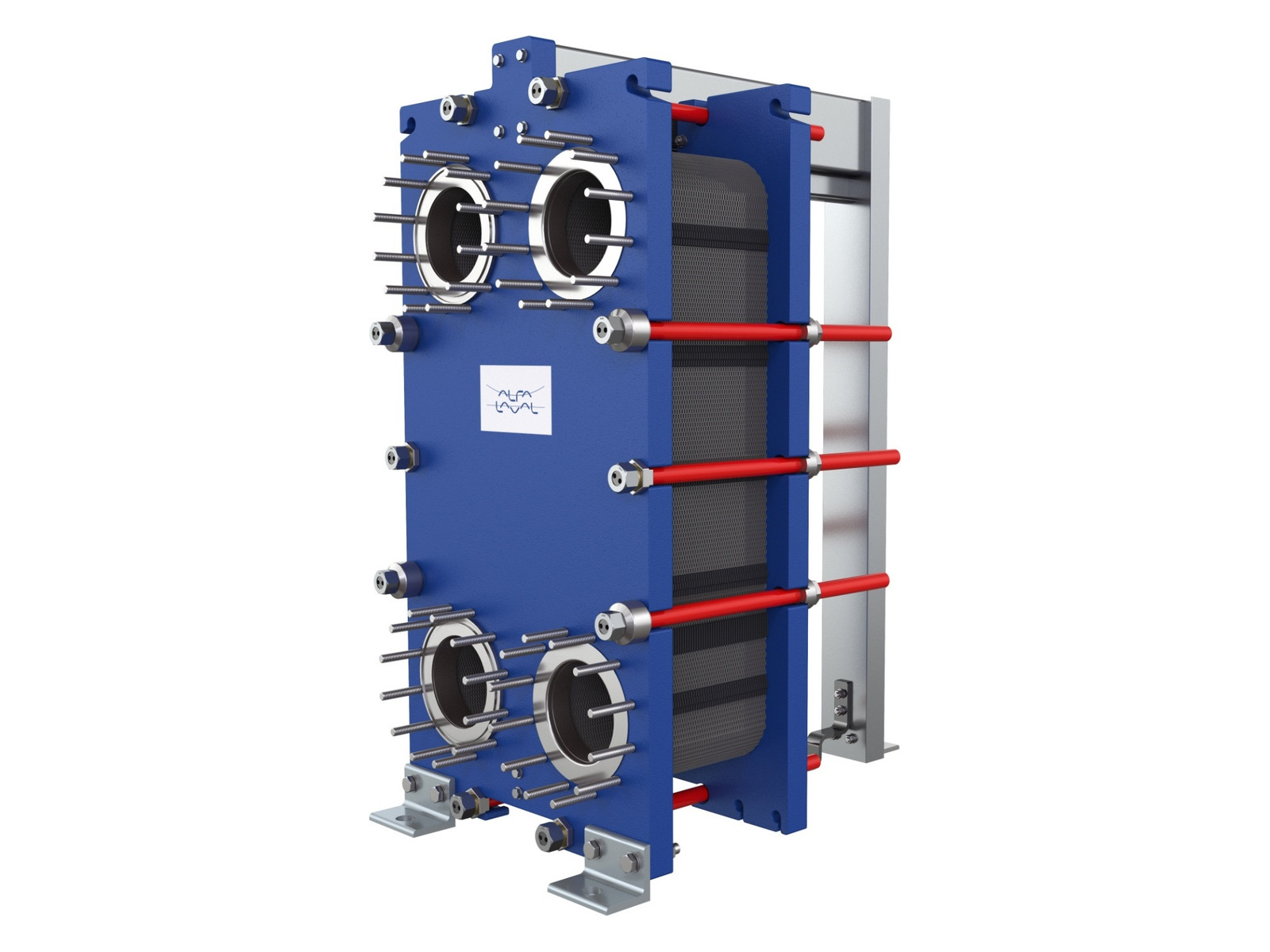
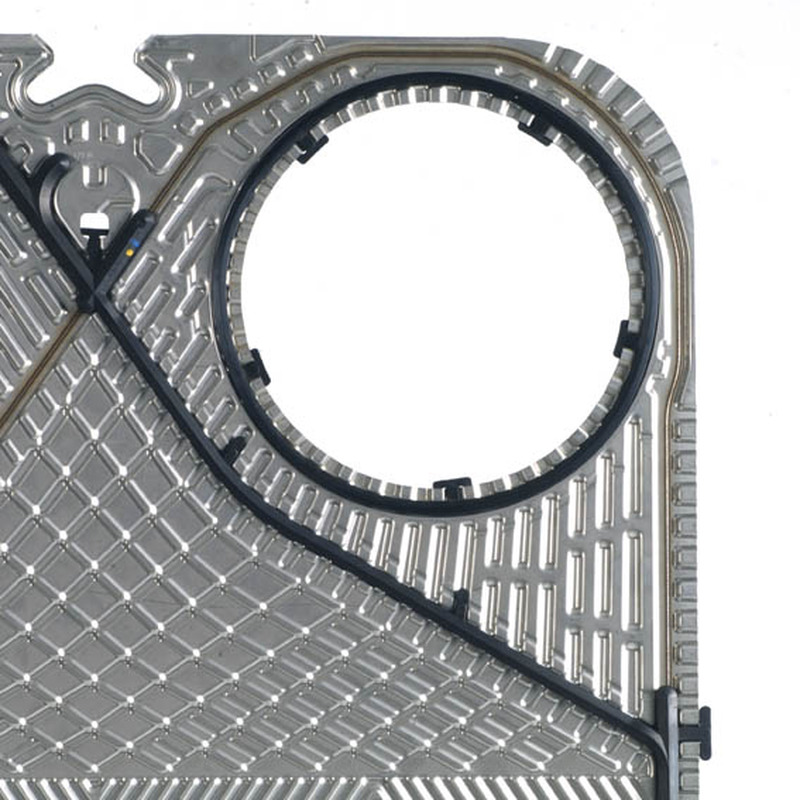
A plate heat exchanger is a stack of thin pressed metal plates. Gaskets direct the hot and cold fluids into alternate channels, creating turbulent flow at low velocity, so the heat transfer coefficient is several times higher than a shell-and-tube unit of the same volume.
The bolted frame lets you open the plate pack for manual cleaning or CIP at regular intervals, and when your process changes you can add or remove plates to adjust capacity without buying a new unit.
Selection depends on the fluids, flow rates, required inlet and outlet temperatures, operating pressure and acceptable pressure drop. First Fuel engineers size the unit and choose the plate pattern for your site.
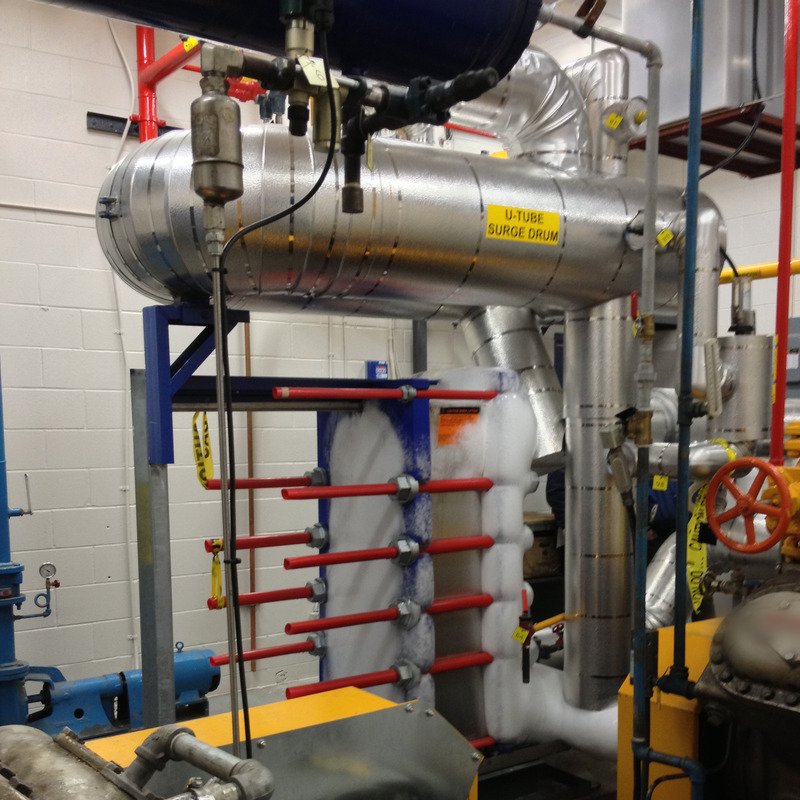
Delivers the same duty as a shell-and-tube unit in a much smaller space, ideal for crowded plant rooms.
Open the unit, remove the plates, clean off scale or biofilm and reassemble, keeping original performance throughout its life.
Add or remove plates to match changing load as production expands, using the same frame.
True counter-current flow allows a close temperature approach, so more heat can be recovered.
Actual values depend on the model and the duty design. Send your site conditions for a calculated specification.
Fluids, temperatures, flow rates and pressure are enough to start. Free initial consultation.
Share your basic specification or operating conditions (fluids, flow rates and required inlet/outlet temperatures) to get a thermal sizing and the best-fit quotation for your project.